
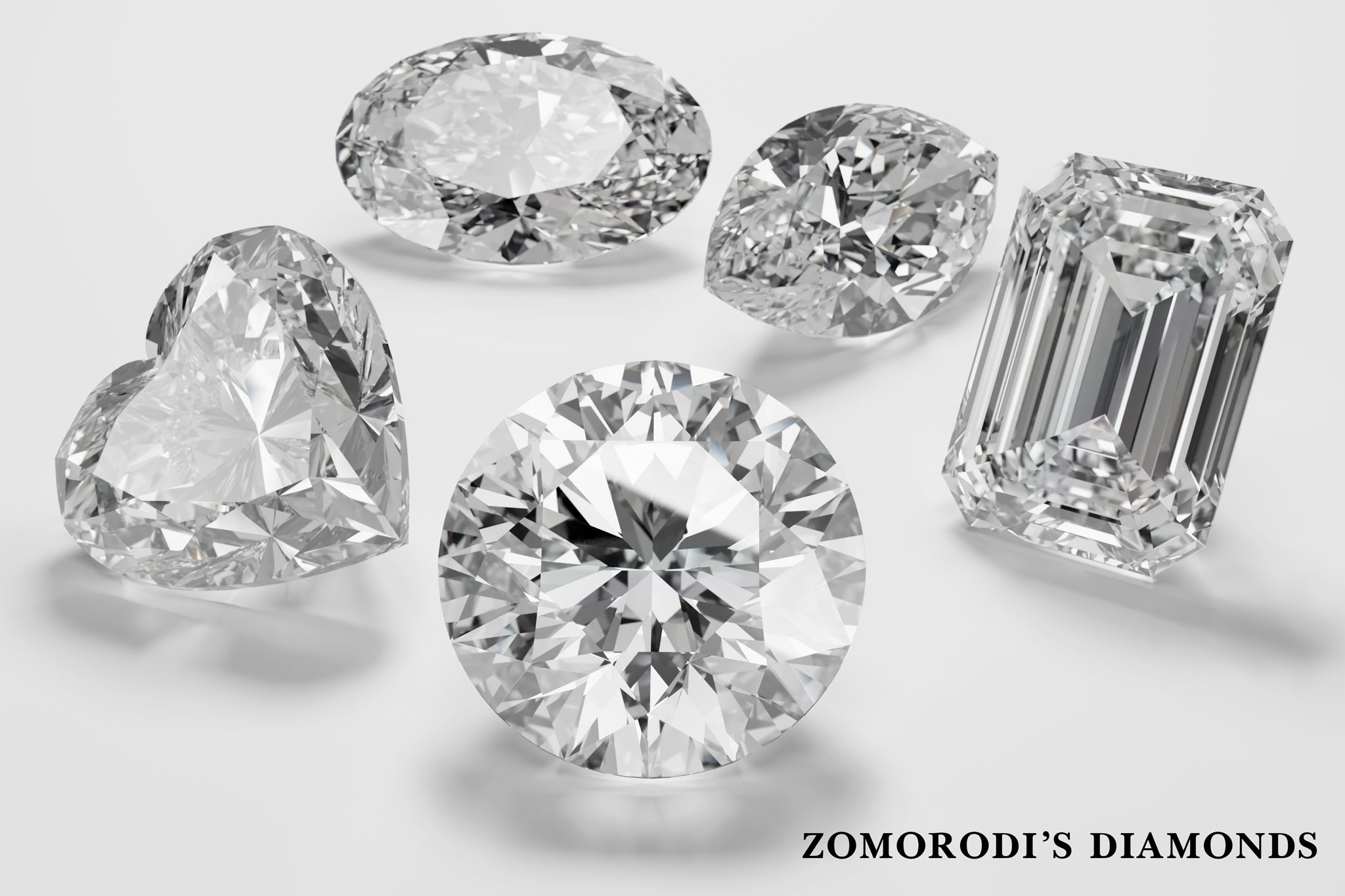
Buying a diamond can be compared to buying a car—only much more romantic.
When selecting and purchasing a diamond, you should be fully confident about its quality and characteristics. Make sure the gallery or jeweler provides reliable after-sales service, a valid grading report, and an invoice for your diamond.
The diamond quality grading system known as the 4Cs was developed as a global standard during the 1940s and 1950s to describe diamond quality and provide a consistent basis for valuation. Today, this shared language is used by the GIA to help protect buyers and consumers by providing an independent and impartial evaluation of a diamond. A unique grading report also documents important characteristics of the stone. One point that can sometimes cause confusion is the cost of obtaining a GIA report. A significant price difference between a graded and an ungraded diamond is not simply the cost of the report; it primarily reflects the quality grade of the diamond itself.
The quality and beauty of Zomorodi Jewelry reflect strict standards and careful selection of exceptional diamonds. Diamonds under 0.3 carats used in Zomorodi pieces are selected from the top three color grades, D, E, and F, and are chosen by experienced gemologists within the VVS clarity range. These grades represent some of the rarer and more valuable categories in diamond quality. Every natural diamond has unique characteristics, much like a fingerprint, and is identified, graded, and valued according to factors such as color, clarity, and carat weight. A rough diamond gains brilliance and character through its cut.
All Zomorodi diamonds over 0.3 carats include a GIA grading report. Their color grades fall within the D–H range and their clarity grades within the FL–VS2 range. Cut, polish, and symmetry are graded Excellent, and fluorescence is listed as None. The complete specifications are shown on the GIA report for each diamond.
For a truly exceptional piece of jewelry, it is helpful to understand the basics of diamond grading reports. A grading report gives you a much clearer understanding of the quality and characteristics of the diamond you are purchasing. GIA grading fees vary depending on the type and weight of the stone and any special services requested. For example, for diamonds weighing approximately 0.4 to 1 carat, the cost may be roughly USD 30 to USD 100, although pricing may differ for companies working at scale in diamond cutting and distribution.
In short, one of the key benefits of a recognized diamond grading report is that it helps establish whether the diamond is natural or laboratory-grown and documents its quality characteristics.
