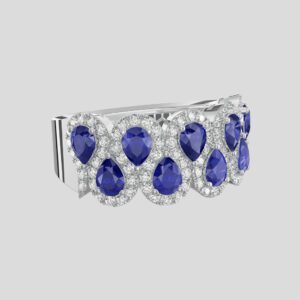
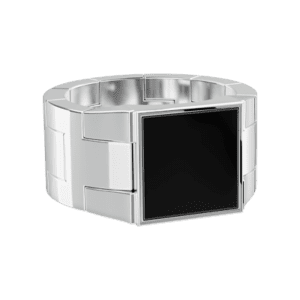
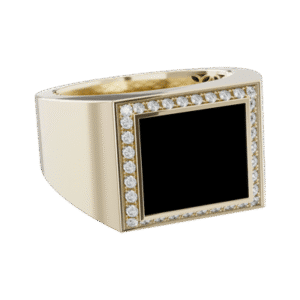
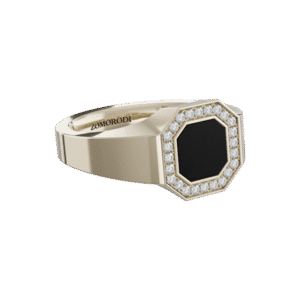
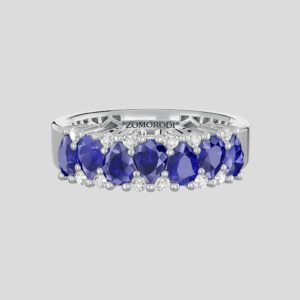
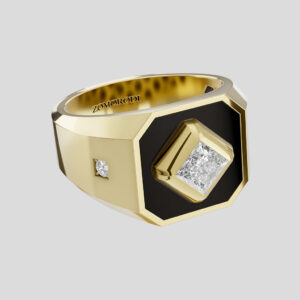
Colored Stone
What is the difference between colored stones and diamonds?
Basically, all natural minerals other than diamonds are called “colored stones”. We all know that the more colorless or so-called whiter a diamond is, the more valuable it is. For this reason, all valuable stones except diamonds are known as colored stones. Of course, it goes without saying that there are also types of colored diamonds in nature, but they are never classified as colored stones.
What is the difference between precious stones and semi-precious stones?
“Precious stones” and “semi-precious stones” are terms that were used among jewelers in the past. In a general classification, diamonds, emeralds, sapphires and rubies are considered “precious stones” and the rest of the valuable minerals are considered “semi-precious stones”.
Whether a stone is precious or semi-precious is determined by its availability in nature and its material value, which includes factors such as purity, pigment dispersion, clarity, and so on.
Of course, these terms have changed with the advancements in industry and the discovery of more minerals and natural resources than ever before. For example, a ruby can be found for as little as $5 per carat for the lowest quality, while a type of garnet can be sold for as much as $5,000 per carat.
Are colored stones less valuable than diamonds?
Absolutely not!
Before purchasing colored stone jewelry, it is best to have sufficient information about how they are valued. The rarer the stone used in your jewelry, the higher its value and price. For example, stones such as spinel, genuine garnet, and grade one tourmaline are extremely rare and can be more valuable than diamonds in terms of both quality and price.
What factors should we pay attention to when buying colored stones?
The first and most important factor in buying jewelry is your taste, personal style and, of course, your budget.
All valuable natural stones used in jewelry items are measured based on a valid evaluation system that includes clarity, cut, color and weight (carat). As a non-expert, it is easier to distinguish a high-quality diamond from a low-quality diamond than other stones. Obviously, the clearer and more colorless the diamond, the better. However, with colored stones, due to their wide color spectrum, it is better to seek help from an expert for valuation.
The level of impurities in diamonds is much lower than in colored stones. Although the presence of impurities in the stone indicates that it is natural, the less this impurity is, the more attractive and valuable the jewelry looks.
Lorem ipsum dolor sit amet, consectetur adipiscing elit. Ut elit tellus, luctus nec ullamcorper mattis, pulvinar dapibus leo.